
Introduction
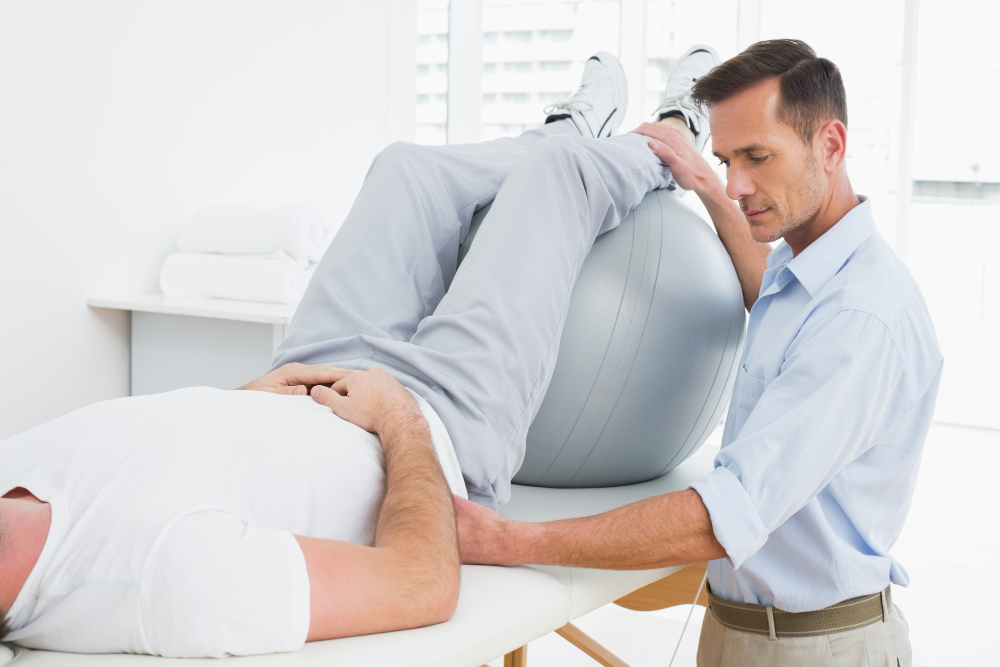
Physio after hip replacement is a key part of healing. After surgery, your hip needs help to move and work well again. Physiotherapy, also called physical therapy, uses gentle exercises and movements. These help you walk, sit, and stand safely. In fact, starting physio early can speed up your recovery. According to the World Health Organization (WHO), movement after surgery lowers the risk of problems. So, physio after hip replacement is important for a strong and safe recovery.
Common Symptoms and Challenges After Hip Replacement
After hip replacement, you may notice some common symptoms. For example, you might feel pain, swelling, or stiffness around your hip. Sometimes, it is hard to move your leg or walk. You may also feel weak or tired. Because of these symptoms, daily tasks can be tough at first. However, with the right care, these problems often get better over time. It is normal to have ups and downs during recovery. But, staying active with help from your physiotherapist can make things easier.
Goals and Benefits of Physiotherapy Post-Surgery
Physiotherapy after hip replacement has clear goals. First, it helps you regain strength and movement. Next, it teaches you how to walk safely. Also, it lowers the risk of falls or injury. Over time, physio can help you return to your normal activities. Some main benefits include:
According to the CDC, regular physiotherapy can also prevent long-term problems after surgery.
Typical Physiotherapy Exercises and Routines
After surgery, your physiotherapist will show you safe exercises. These are gentle at first. As you heal, they become a bit harder. For example, you may start with:
Later, you may add standing exercises and walking practice. Always follow your therapist’s advice. If you feel pain, stop and ask for help.
Timeline and Stages of Recovery
Recovery after hip replacement happens in stages. Each stage has its own focus. For example:
However, everyone heals at a different pace. Your physiotherapist will adjust your plan as needed.
Tips for Safe and Effective Home Exercises
Home exercises are important for hip replacement recovery. But, safety comes first. To help, try these tips:
Additionally, keep your home free of clutter to avoid falls. If you have questions, ask your physiotherapist.
Prevention of Complications and Setbacks
After hip surgery, some problems can slow your recovery. For example, blood clots, infections, or falls may occur. To prevent these, follow your physiotherapist’s advice closely. Also, take your medicines as prescribed. Keep your wound clean and dry. Moreover, avoid sudden or twisting movements. If you notice swelling, redness, or fever, contact your doctor right away. Early action can stop small problems from getting worse.
When to Seek Professional Help
Sometimes, you may need extra help during recovery. Seek professional help if you notice:
In these cases, call your doctor or physiotherapist. Quick action can prevent bigger problems.
Conclusion
Physio after hip replacement is vital for a safe and strong recovery. With the right exercises and support, you can return to your daily life. Remember, every person heals at their own pace. For the best results, consult Dr. Gaurav Chaudhary for personalized recovery guidance.