
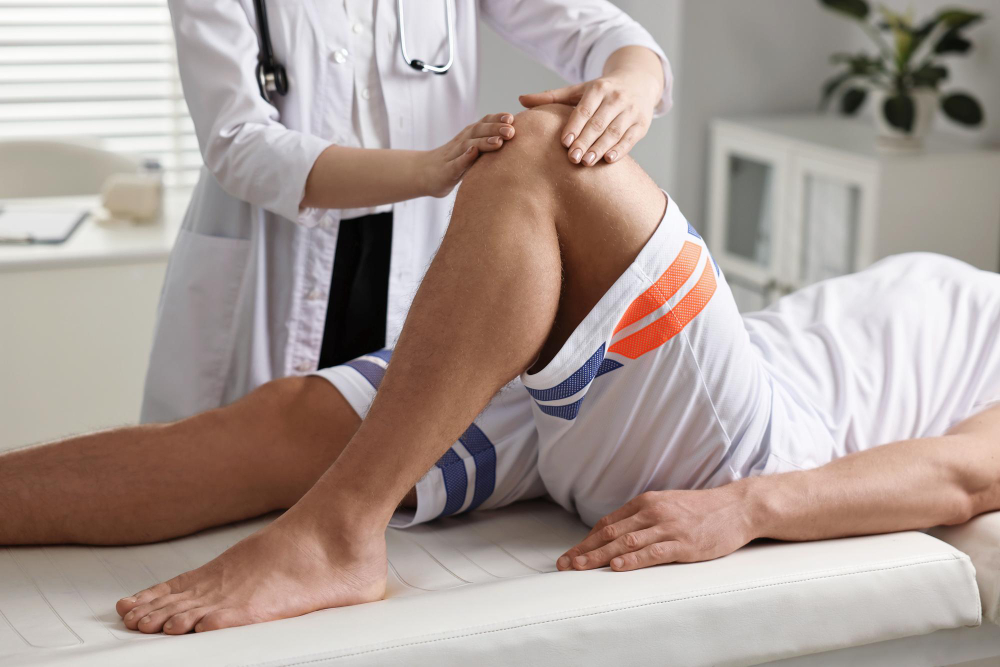
Knee pain physio helps many people find relief from knee discomfort. If you struggle with knee pain, physiotherapy for knee pain can help you move better and feel stronger. In fact, knee pain exercises and knee pain treatment plans are designed to reduce pain and improve your daily life. Whether you live in a busy city or a quiet town, knee pain physio can make a big difference. Let’s explore how physiotherapy can help your knees feel better.
What Is Knee Pain Physio?
Knee pain physio is a type of treatment that uses movement and exercise to help your knee heal. Instead of only using medicine, physiotherapists teach you safe ways to move. As a result, you can reduce pain and improve strength. For example, they may show you stretches or gentle exercises. Sometimes, they use hands-on techniques to help your knee move better. Most importantly, knee pain physio is tailored to your needs. This means your treatment is unique to your pain and lifestyle.
Common Symptoms of Knee Pain
Knee pain can show up in many ways. However, some symptoms are more common than others. If you notice any of these signs, you may benefit from knee pain physio:
Sometimes, these symptoms come and go. But if they last more than a few days, it’s wise to seek help.
Causes of Knee Pain
There are many reasons why your knee might hurt. While some causes are due to injury, others develop over time. Here are some common causes:
Even simple activities, like kneeling or squatting, can sometimes lead to pain. Therefore, understanding the cause is important for proper knee pain treatment.
How Physiotherapists Diagnose Knee Pain
Physiotherapists use several steps to find out what is causing your knee pain. First, they ask about your symptoms and daily activities. Next, they check how your knee moves and feels. Sometimes, they may gently press or move your knee to find sore spots. In some cases, they may suggest you see a doctor for an X-ray or MRI. However, most knee pain can be diagnosed with a simple exam. This careful approach helps create the best knee pain physio plan for you.
Effective Physiotherapy Treatments for Knee Pain
Physiotherapy for knee pain uses many safe and proven methods. For example, your physiotherapist may use:
According to the World Health Organization (WHO), exercise and movement are key parts of knee pain treatment. Therefore, following your physiotherapist’s plan can help you recover faster.
Home Exercises and Lifestyle Tips
Along with clinic visits, home exercises are important for knee pain relief. Here are some simple exercises and tips:
However, always check with your physiotherapist before starting new exercises. This helps prevent further injury.
Prevention: How to Avoid Knee Pain
Preventing knee pain is possible with a few simple steps. For instance, you can:
Additionally, wearing the right shoes and keeping a healthy weight can protect your knees. If you notice pain, early knee pain physio can stop problems from getting worse.
In summary, knee pain physio offers safe and effective ways to manage knee pain. With the right treatment, you can move better and enjoy daily life. Consult the best physiotherapist Dr. Gaurav Chaudhary for personalized knee pain physio guidance.